Pakistan's Demographic Time Bomb: Where Will 10 Million New Households Live?
Pakistan needs to build 10 million housing units by 2030, but Karachi is running out of land. The math doesn't work unless the city grows up instead of out.
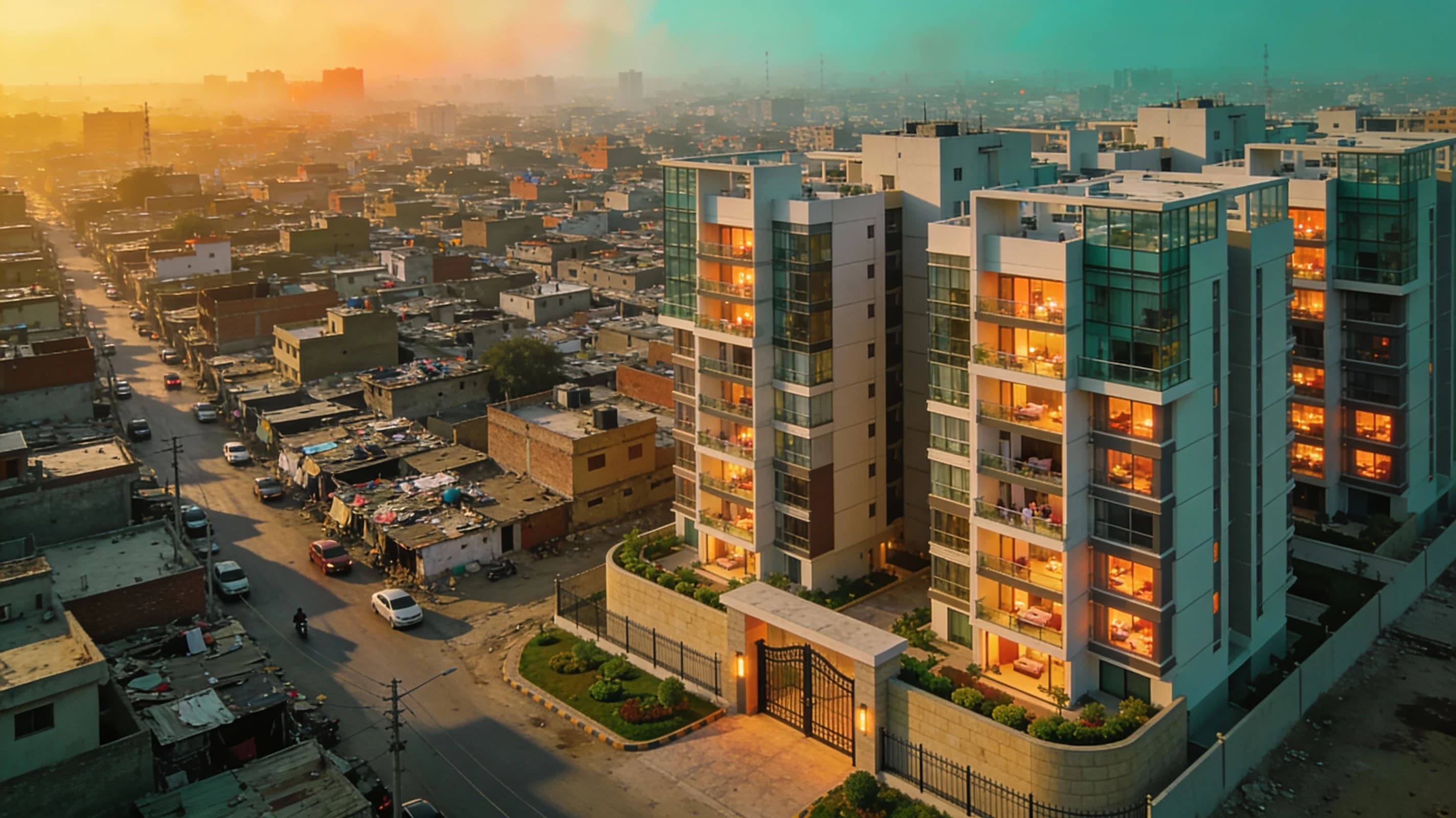
Every 60 seconds, Pakistan adds 7 people to its population. That's 10,080 people per day. By the time you finish reading this article, roughly 70 more Pakistanis will have been born. And here's the uncomfortable question no one in the property sector wants to answer: where exactly are we going to house them?
According to the Ministry of Housing and Works, Pakistan faces a housing shortage of 12 million units as of 2025. Even more alarming, demographic projections show that an additional 10 million new households will form by 2030—just five years away. That means Pakistan needs to build 22 million housing units to meet current demand and absorb population growth. At the current construction rate of 300,000-400,000 units per year, we're not even close.
The Karachi Crunch
Nowhere is this crisis more visible than in Karachi. The city's population has exploded from 9.8 million in 1998 to an estimated 22-24 million in 2025, according to Sindh Bureau of Statistics estimates. That's a 130% increase in 27 years. Meanwhile, the city's geographical footprint has expanded by only 40%.
The math is brutal. Karachi is effectively running out of horizontal space. The areas that can be developed—outside the congestion of the old city center—are already spoken for. Bahria Town, DHA, and Gulistan-e-Jauhar have carved up the available land. Everything else is either too far from infrastructure, environmentally protected, or caught in legal disputes.
The Pakistan Institute of Development Economics (PIDE) has been warning about this for years. Their urbanization studies show that if Karachi continues to grow outward at the current density, the city would need to sprawl another 500 square kilometers by 2030 to house the incoming population. There literally isn't 500 square kilometers of usable, flat land left within reasonable distance of the city center.
The Only Mathematical Solution
This is where basic geometry forces an answer the market has been resisting: Karachi must grow vertically. There is no other way to house millions of new residents without turning the city into an endless suburban sprawl with 3-hour commutes.
Cities like Hong Kong, Singapore, and Mumbai faced this exact crisis and solved it through high-density vertical housing. Today, 80% of Hong Kong's population lives in apartments. Not because they prefer it culturally, but because the math doesn't work any other way.
Karachi is finally starting to accept this reality. Data from Zameen.com shows that apartment construction permits in Karachi increased 43% year-over-year in 2025, while plot development permits dropped 18%. The market is pivoting—slowly, but inevitably toward vertical development as the only viable solution.
Why the Apartment Boom Isn't a Trend, It's Survival
The rise in demand for apartments on installments Bahria Town isn't about changing tastes or modern lifestyles. It's about physics. You cannot fit 10 million new households into horizontal plots. The city physically cannot expand fast enough.
This explains the surge in searches for apartments under PKR 50 lakh and ready-to-move apartments. Younger buyers and first-time homeowners aren't choosing apartments because they're trendy—they're choosing them because it's the only entry point into property ownership that makes geographic sense.
The developers who recognized this early are now sitting on goldmines. Projects offering easy monthly installments have absorption rates 3-4 times faster than plot schemes in far-flung areas. Why? Because buyers understand that a 2 bedroom apartments Bahria Town unit in a developed area beats a plot file that costs money to hold in an un-balloted sector 50 kilometers from the city.
Infrastructure Can't Keep Up With Sprawl
There's another factor driving the vertical shift: infrastructure costs. According to the Karachi Metropolitan Corporation (KMC), extending water, sewage, electricity, and road infrastructure to new horizontal developments costs Rs. 8-12 million per acre. For a 2000-acre plot scheme, that's Rs. 16-24 billion in infrastructure before a single house is built.
In contrast, vertical developments concentrate density, making infrastructure far more cost-effective. One well-planned apartment complex with 500 units requires a fraction of the roads, water lines, and sewage capacity compared to 500 individual plots spread across 250 acres.
This is why gated community apartments have become the preferred model for serious developers. The infrastructure is centralized, secure, and manageable. It's the only economically viable way to deliver housing at the scale Pakistan needs.
The Security Premium
Population density also creates security challenges. As Karachi's population swells, crime rates in poorly planned, sprawling neighborhoods have spiked. Sindh Building Control Authority (SBCA) data shows that gated apartment communities report 67% fewer property crime incidents compared to open plot-based neighborhoods.
For families with young children, this isn't a minor concern—it's the deciding factor. The demand for luxury apartments with security isn't about status; it's about safety in a city where population growth has outpaced law enforcement capacity.
This is where projects like Hill Crest Residency Bahria Town and Narkin's Boutique Residency apartments have positioned themselves strategically. They offer what the next wave of Karachi residents desperately need: secure, managed, vertical living in areas with existing infrastructure.
Hill Crest Residency, for example, isn't just selling apartments—it's selling peace of mind in a city where the housing crisis has made security a luxury good. The completion and possession timeline has attracted buyers who want to move in immediately, not wait years for a plot to be developed.
Similarly, Narkin's Boutique Residency caters to the demographic that understands the demographic math. These aren't buyers chasing speculative gains—they're people solving the fundamental problem of where to live in a city that's running out of space.
The 2030 Deadline
We're now at the end of 2025. That gives Pakistan exactly five years to build 10 million new housing units just to absorb incoming demand—ignoring the 12 million unit backlog. At the current pace, we'll build maybe 2 million units by 2030. That leaves 8 million households with nowhere to go.
The pressure will be most intense in Karachi, Lahore, and Islamabad—cities where land scarcity is already critical. Prices for best apartments in Bahria Town will likely continue rising not because of speculation, but because of simple supply-demand economics in a geographically constrained market.
For buyers, the window to enter the market at current prices is narrowing. family apartments and 3 bedroom apartments Bahria Town that seem expensive today will look like bargains in 2028 when the demographic squeeze fully hits.
The Uncomfortable Truth
Pakistan's demographic time bomb isn't a distant threat—it's a present crisis with a five-year fuse. The country is on track to add roughly 50 million people by 2030. If even half of those people form independent households, that's 25 million new housing units needed.
The only mathematically viable solution is vertical density in existing urban centers. The shift toward affordable luxury apartments Bahria Town and managed apartment communities isn't a lifestyle choice—it's a geographic necessity.
For developers still pushing plot files in distant, undeveloped areas, the reckoning is coming. For buyers trying to decide between plots and apartments, the math has already decided for you. The city is growing up, whether we're ready or not.
Sources
- Ministry of Housing and Works - National Housing Policy Report 2025
- Pakistan Bureau of Statistics - Population Projections 2025-2030
- Sindh Bureau of Statistics - Karachi Demographic Analysis 2025
- Pakistan Institute of Development Economics (PIDE) - Urbanization Studies 2025
- Zameen.com - Construction Permit Data Q3-Q4 2025
- Karachi Metropolitan Corporation (KMC) - Infrastructure Cost Analysis 2025
- Sindh Building Control Authority (SBCA) - Urban Safety Report 2025
- Dawn Business - "Pakistan's Housing Shortage Reaches Critical Levels" (November 2025)
Related Articles
Continue reading about real estate investment and property development
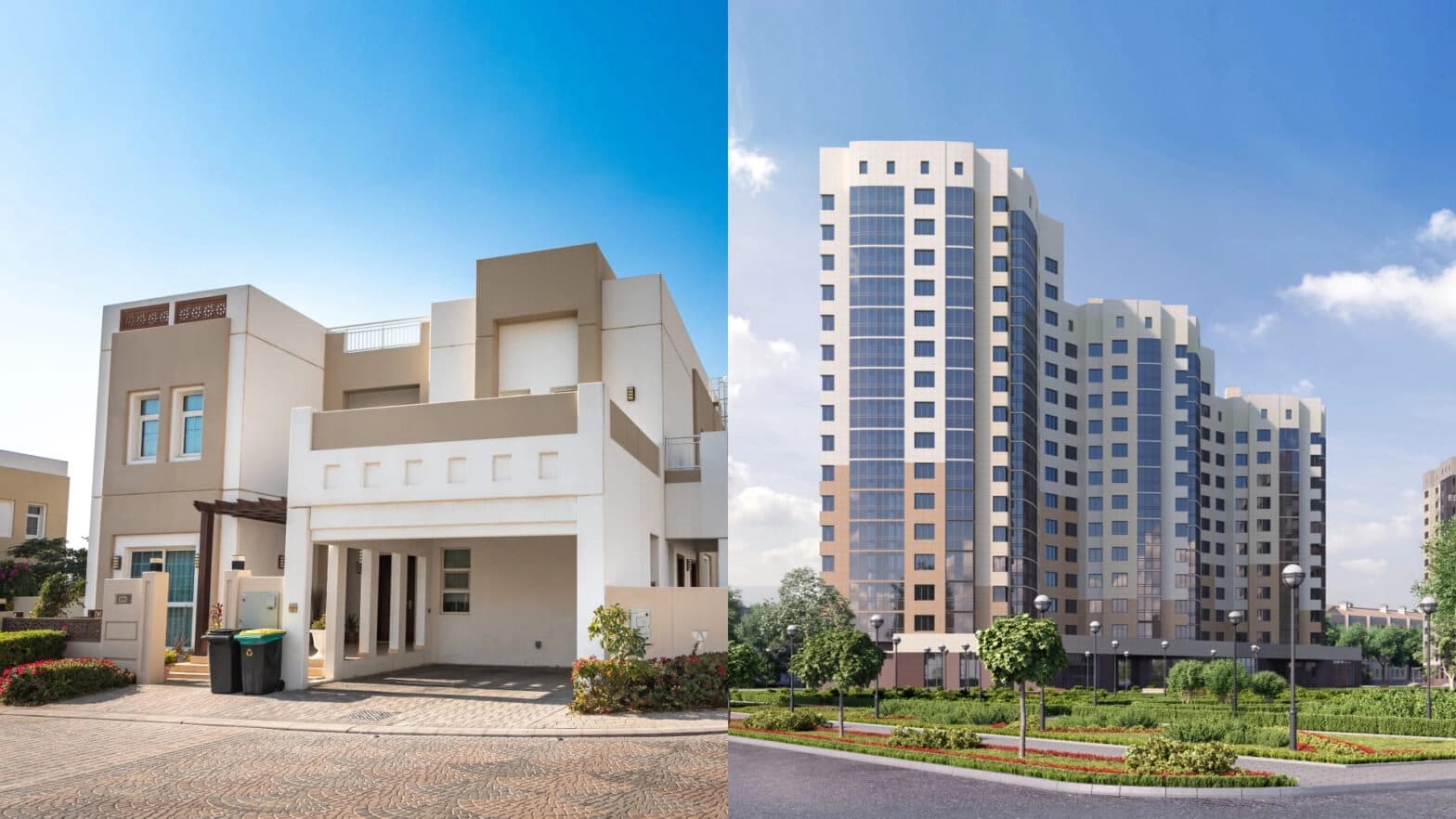
The Death of Pakistan's Joint Family System Is Creating the Apartment Boom Nobody Expected
In 2010, 67% of Pakistanis preferred joint families. By 2025, nuclear families dominate urban areas as young couples choose independence over tradition. Here's how Pakistan's biggest social transformation in a generation is invisibly reshaping property demand—and why the houses your parents bought don't work anymore.

Pakistan's Digital Economy Boom Is Rewriting Property Requirements: Why Properties Without Fiber-Optic Internet Are Losing 10% of Their Value
As e-commerce hits $12 billion by 2027 and Pakistan's tech sector grows 20% annually, work-from-home properties with dedicated office space command 10% premiums while traditional homes lose value. Here's how Pakistan's digital transformation is invisibly dividing the property market into winners and losers.
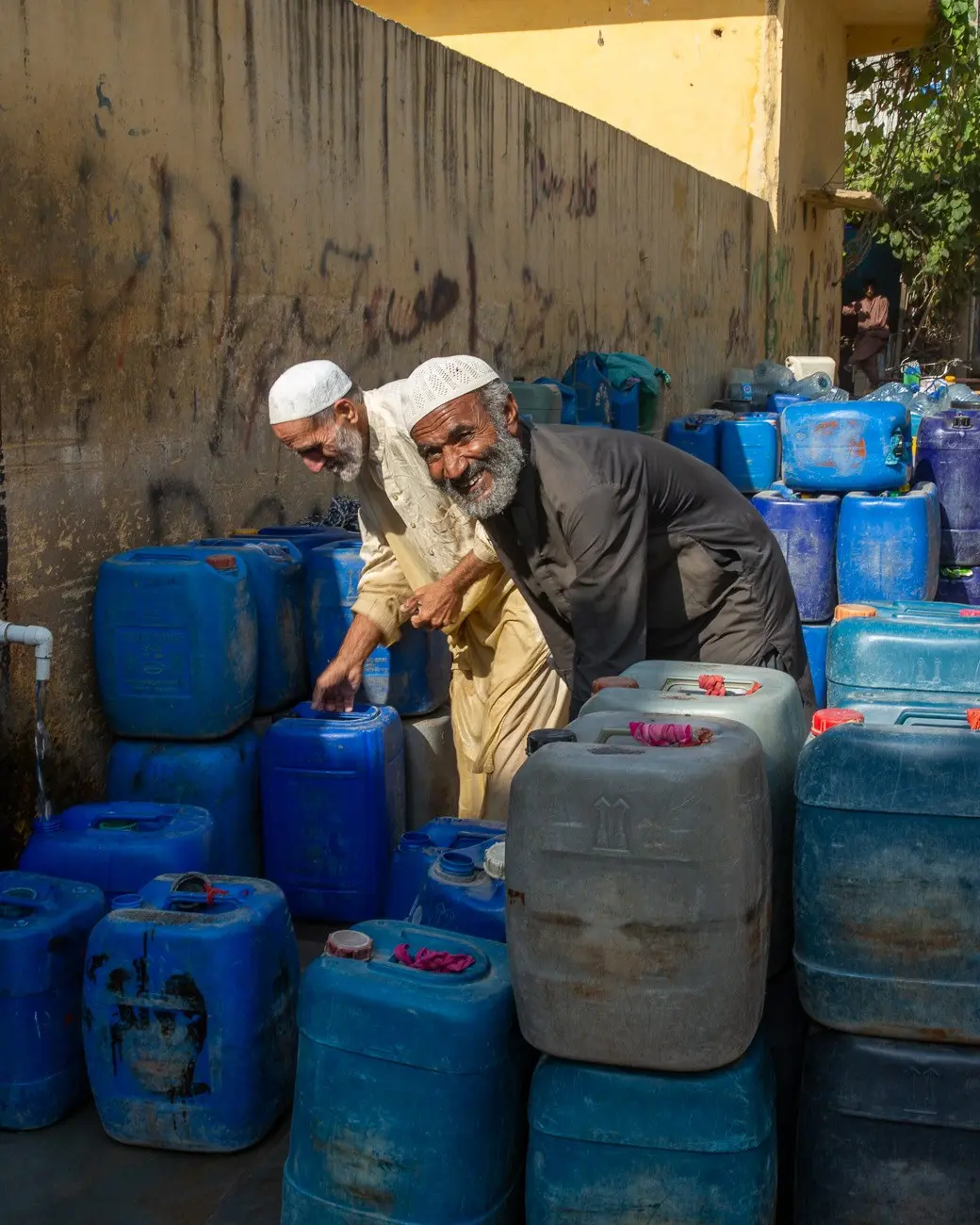
The Rs. 12,000 Water Bill Nobody Talks About: How Pakistan's Water Crisis Is the Biggest Hidden Cost of Property Ownership
While Karachi faces a 400 million gallon daily water deficit and even DHA residents buy tanker water, Pakistan's water scarcity crisis has become property ownership's most expensive secret. Here's why water infrastructure—not location—is becoming the real property value driver in 2025.
Reviews
Share your experience about this article
No reviews yet
Be the first to review this article!
No reviews yet
Be the first to share your thoughts about this article.