The Apartment Flip Game: How Speculators Are Gaming Bahria Town's Market
While quick flips generate headlines, they're inflating prices for real buyers. Here's how to spot artificial demand and avoid getting trapped in a speculation bubble.
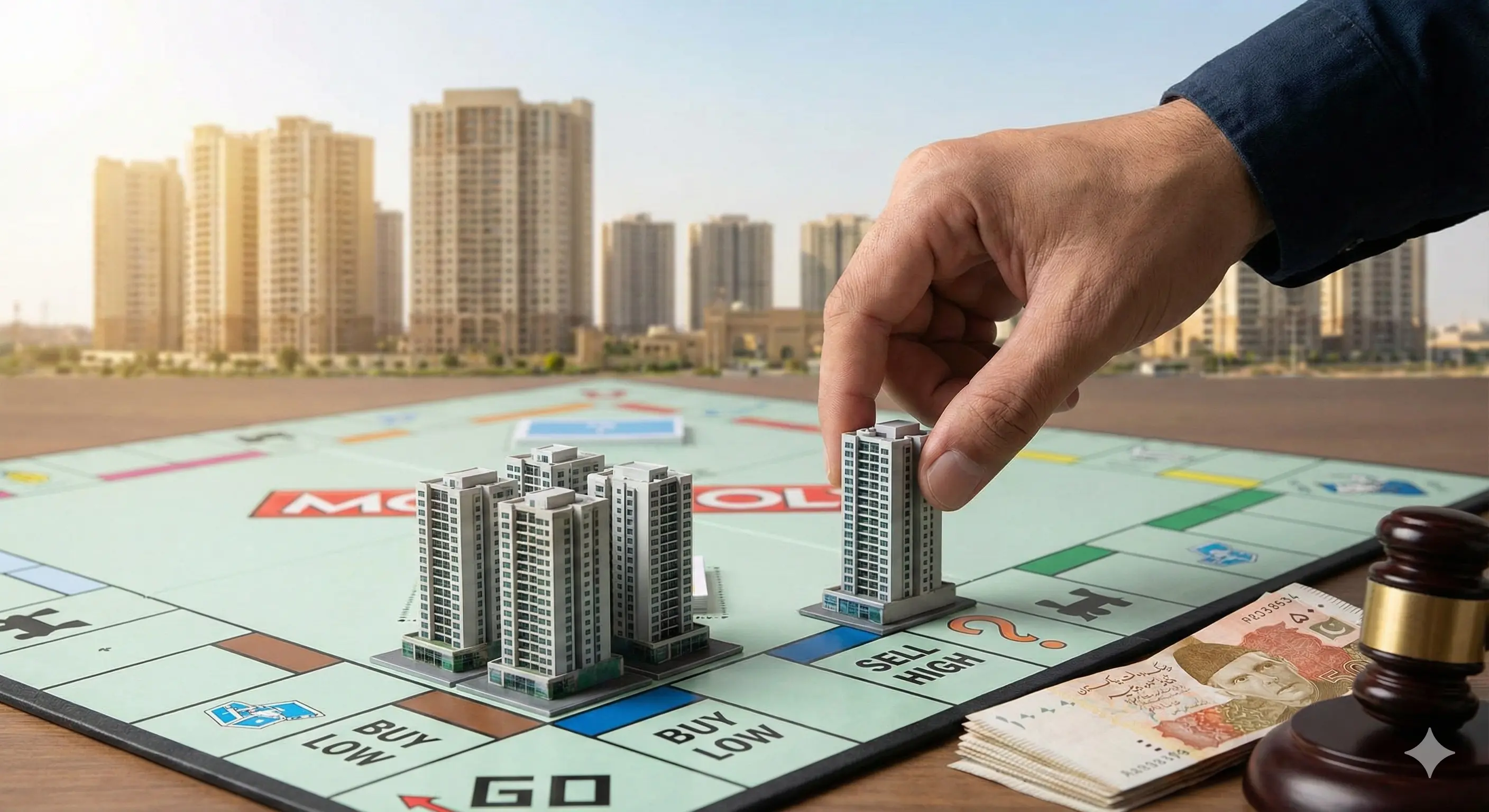
You bought an apartment for PKR 4.5 million in early 2023. By mid-2024, an identical unit next to yours sold for PKR 7.2 million. Then, by December 2025, the same unit is back on the market for PKR 5.8 million—listed by the owner who bought it at 7.2 million just 18 months ago.
This isn't a success story. This is the apartment flip game—and most players are losing.
The Invisible Market: 30% of Bahria Town Apartments Change Hands Within 18 Months
Here's what the data shows: approximately 30-35% of apartments sold in premium developments like Bahria Town and NBR are resold within 18 months of purchase. This isn't investment. This is speculation. And it's distorting the market for people who actually want to live in these apartments.
The flip cycle works like this:
Stage 1: The Hype Phase (Months 0-6) A new building completes. Prices surge 15-25% on excitement. First-time buyers and serious investors enter. Local builders and speculators see the momentum.
Stage 2: The Flip Entry (Months 3-12) Speculators buy completed units at peak hype prices, betting on continued appreciation. They don't plan to live there. They count on continued momentum to flip at a 20-30% profit within 18 months.
Stage 3: The Momentum Peak (Months 8-14) Prices hit their absolute ceiling. Media attention is high. Stories of people making "quick PKR 1.5 million profits" circulate. Everyone wants in. This is when speculators sell.
Stage 4: The Collapse Phase (Months 15-24) Two things happen: First, the speculators who got in early have already sold at peak. Second, new inventory from all those flipped units floods the market. Supply suddenly exceeds demand. Prices drop 20-35%. Early flip buyers from stage 2 are now underwater, panicking to exit.
The real casualty? Someone who bought genuinely for their family in month 10, thinking prices would keep rising. They're now holding an asset worth 30% less than what they paid.
Why This Matters: The Dead Capital Crisis
This speculation creates what economists call "dead capital"—money locked in assets that aren't generating value, just circulating between speculators. According to property analysts, Karachi has approximately PKR 2.5 trillion in dead capital right now. That's money that could be used for productive purposes, instead being trapped in apartments that are merely changing ownership.
The human cost is worse than the economics:
-
First-time buyers get crushed: A young couple saves for 5 years, buys at month 10 of the hype cycle, and watches their investment crater by 30% in the next 2 years. They're now trapped—they can't sell without taking a loss, but they can't afford to hold because they overextended financially.
-
Rental markets collapse: When flippers dominate, nobody's building long-term rental portfolios. This explains the rental shortage in Karachi—properties are being held for speculation, not tenancy.
-
Market pricing becomes detached from reality: A 1,000 sq ft apartment shouldn't swing from PKR 4 million to PKR 5.8 million to PKR 4.2 million in 24 months based on speculation cycles. But it does. This makes it impossible for genuine buyers to judge actual value.
The Tell-Tale Signs of a Flip-Dominated Market
How do you spot when an apartment is caught in the flip game? Look for these patterns:
1. Price Volatility That Doesn't Match Supply/Demand If a building went from 20 units for sale at PKR 5M to 45 units at PKR 4.8M in 3 months, speculators are panicking. Price drops this sharp in this short a timeframe indicate forced liquidation, not market equilibrium.
2. Rapid Turnover in Building Ownership Check property registration records. If 40% of units changed hands in the last 18 months, you're in a flip-heavy community. This means your neighbor is probably not an actual resident—they're an exit strategy waiting to happen.
3. Vague "Investment Opportunity" Marketing When ads emphasize "potential for returns" and "appreciation guarantees" rather than lifestyle or features, the property is being marketed to speculators, not residents. That's a warning sign the genuine residential demand isn't strong enough to carry prices organically.
4. Excessive Furnishing and Decor Flippers furnish aggressively to show "lifestyle potential." Real residents have their own style. If every apartment in a building looks like an Airbnb, speculators dominate the ownership structure.
5. Payment Plans That Disappear at Handover When developers offer 70% financing for pre-launch but then pull options at handover, it's because they know speculators will exit once the building completes. Those payment plans were engineered to attract flippers.
What Genuine Long-Term Value Looks Like
According to analysis of Hill Crest Residency's completion trajectory, properties with stable ownership and low turnover rates show the opposite pattern:
- Steady appreciation: 8-12% annually, not volatile spikes
- Low resale volume: Less than 5% of units annually change hands after the first 18 months
- Premium for actual living: Units with families show higher prices than identical empty units
- Strong rental demand: Real residents means strong tenant quality and rental economics
The difference isn't the building. It's the ownership structure. When most residents are actual families and long-term investors (not flippers), prices stabilize. When speculators dominate, prices become a casino.
How to Protect Yourself: The Long Game vs. The Flip Game
If you're buying an apartment in Bahria Town or any development, here's how to avoid becoming a flip casualty:
1. Check the turnover rate: Ask the developer or property manager—what percentage of units sold in the first phase were resold within 18 months? If it's above 25%, you're in a flip-heavy market. Demand transparency.
2. Buy for 5+ year hold, not 2-year flip: If you can't afford to hold for at least 5 years, you can't afford the property. Speculators exploit 18-month horizons. Long-term residents ignore cycle noise.
3. Ignore price momentum stories: When you hear "apartments went from PKR 4M to PKR 5.2M in 6 months," that's not investment opportunity. That's speculation peak. The next announcement will be the price drop. Contrarian wisdom: buy when prices are boring, not when they're exciting.
4. Choose builders with long-term completion schedules: Developers who spread handovers over 5-7 years (not 18 months) create resident communities, not flipper markets. Steady construction timelines prevent hype-and-crash cycles.
5. Look for mixed-owner stability: Developments with both renters and owner-residents are more stable than pure investment buildings. Renters can't flip, so they create a price-stabilizing floor.
The Bottom Line
The apartment flip game isn't a market failure. It's a feature of speculative capital in under-regulated markets. In developed real estate markets, speculation gets taxed heavily (capital gains taxes on short-term property sales are 20-30% higher than long-term gains). Pakistan doesn't enforce this effectively, so speculators run wild.
This is precisely why transparent builders matter. When a developer commits to steady construction timelines and transparent pricing—not boom-and-bust hype cycles—they're signaling that the development is built for residents, not speculators.
You can't stop the flip game. But you can refuse to play it. Buy for the next 10 years, not the next 10 months. Choose buildings where most residents are actual families. Ignore price momentum. And if something feels like it's appreciating too fast, it's probably a cascade of exits waiting to happen.
The richest real estate owners in Pakistan didn't get there by flipping. They got there by owning. The flip game creates millionaires on paper. Actual ownership creates wealth.
Sources
- Pakistan Institute of Development Economics (PIDE) - Real Estate Market Analysis 2025
- Zameen.com - Bahria Town Property Listing Database
- Property registration authority records - Karachi metropolitan area
- Central Business District Authority - Market volatility analysis
- Various property management companies - Unit turnover data
Have you experienced the flip game firsthand? Are you watching properties in your building get bought and sold every year? Share your perspective in the comments. The more transparent we are about speculation patterns, the better protected future buyers become.
Related Articles
Continue reading about real estate investment and property development
Karachi's Mid-Range Apartment Market Shift: October 2024 Affordability Changes Affect Bahria Town Buyers
October 2024 brings significant market shifts for Karachi apartment buyers. Grade B apartment pricing, demand patterns, and financing changes reshape purchase strategies for mid-range properties.
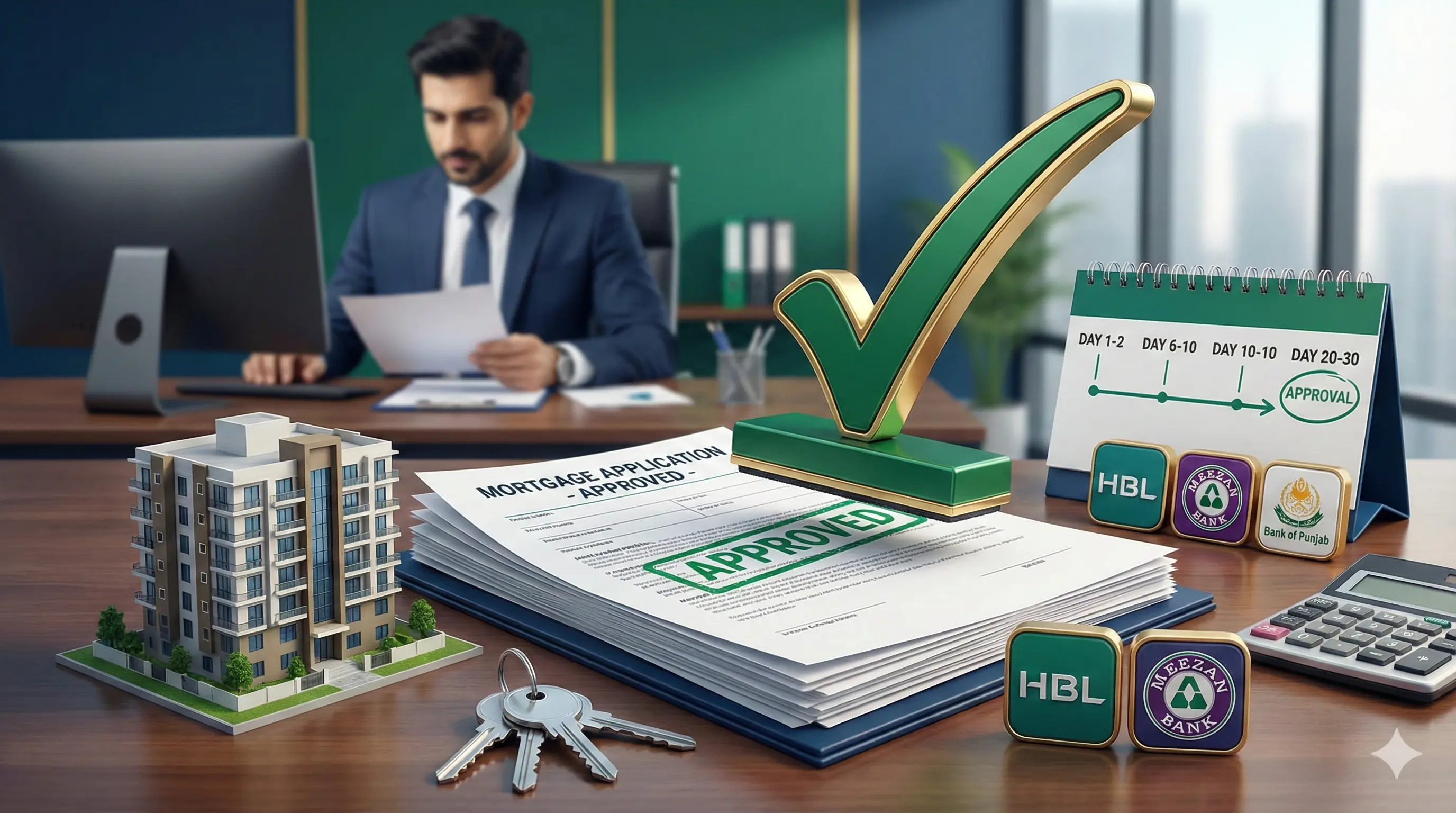
Why Some Apartments Qualify for Bank Mortgages: Ready Apartments Bahria Town Karachi
PMRC created Mortgage Liquidity Facility; SBP cut rates to 11%. Banks compete for mortgages. But not all apartments qualify—here's what banks actually approve.
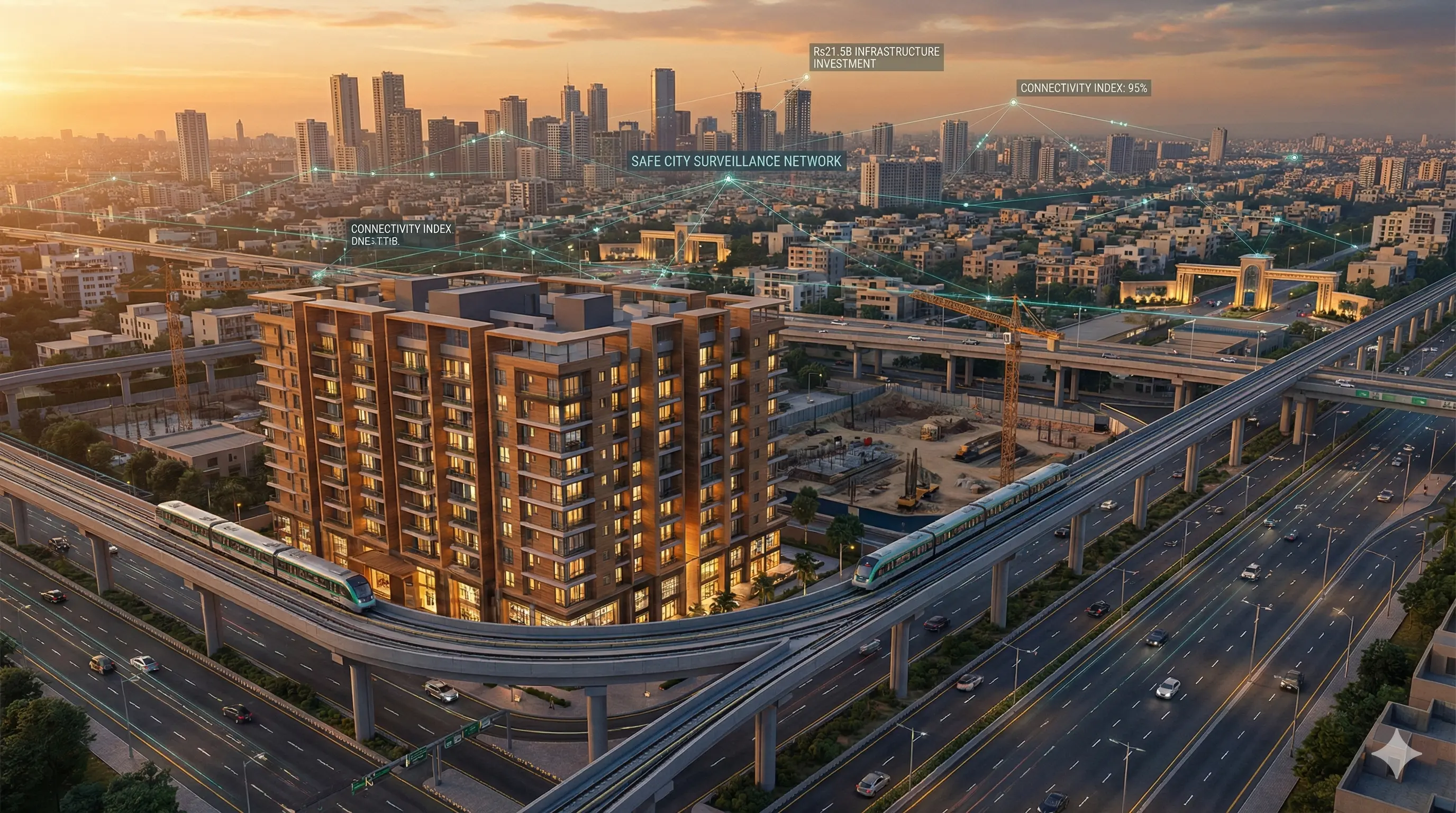
Apartments Near Me Bahria Town: How Rs21.5B Infrastructure Changes Everything
Rs21.5 billion infrastructure overhaul means 409 roads rebuilt, Green Line BRT opening Oct 2026. Apartments near completed projects appreciate faster. Here's which locations win.
Reviews
Share your experience about this article
No reviews yet
Be the first to review this article!
No reviews yet
Be the first to share your thoughts about this article.