Hidden Health Hazards: Lead Paint and Asbestos in Pakistani Apartments
While you inspect layouts and finishes, toxic building materials lurk unseen—and SBCA enforcement gaps mean older developments face serious health risks. Here's what every parent should demand from builders.
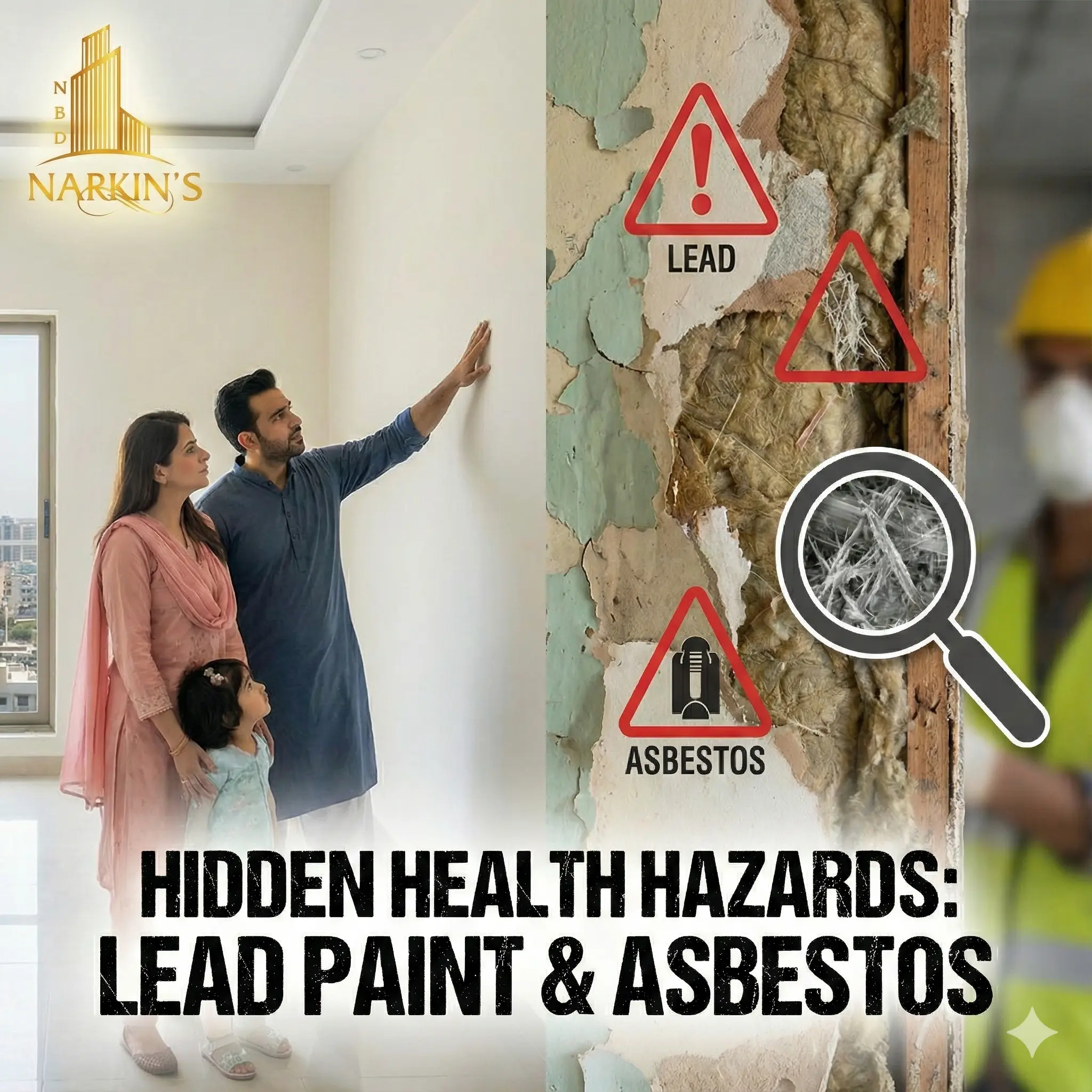
When Pakistani families inspect an apartment, they check paint color, floor finish, and kitchen layout. What they don't see—and what regulators often ignore—are the toxic materials building into walls and ceilings. Lead paint, asbestos insulation, and contaminated building materials remain widespread in Pakistan's construction sector, exposing residents to health hazards that developed nations eliminated decades ago.
The Invisible Threat: Why Pakistani Apartments Still Use Banned Materials
Pakistan has no comprehensive ban on lead paint, unlike 143 countries that prohibited its use in residential construction. Manufacturers still legally produce lead-based paints labeled for "industrial use," knowing full well these products end up on apartment walls. Lead exposure causes irreversible neurological damage in children—even at low levels—affecting IQ, learning ability, and behavior. The World Health Organization identifies lead as one of the ten greatest public health hazards globally, yet Pakistan's building codes mention it barely, if at all.
Asbestos presents a similar regulatory blind spot. While developed nations phased out asbestos decades ago, it remains embedded in Pakistani construction materials: pipe insulation, roof panels, floor tiles, and joint compounds. Inhalation causes mesothelioma, lung cancer, and asbestosis—diseases that kill decades after exposure. The SBCA (Sindh Building Control Authority) lacks the enforcement mechanisms and inspection protocols to identify or restrict asbestos-containing materials in new constructions or renovations.
Cheaper budget apartments—those marketed in the Rs. 30-50 lakh range—cut costs by sourcing materials from unregulated suppliers. Unverified cement, paint, and insulation products bypass quality checks. Some materials contain heavy metals like cadmium and mercury used in pigments and additives. Families buying budget apartments to save money often inherit health costs that eventually exceed any savings.
The Regulatory Failure Nobody Talks About
Pakistan's building codes exist on paper but fail in execution. The SBCA operates without independent material testing labs in most cities. Inspections focus on structural compliance (foundation depth, concrete strength) while ignoring material composition. A building can pass structural inspection with flying colors while harboring toxic materials throughout.
Developers face minimal accountability for material provenance. Unlike countries with strict chain-of-custody documentation, Pakistani construction often involves suppliers who themselves don't verify what they're selling. Counterfeit building materials—fake cement brands, recycled plastic in aggregates, contaminated sand—flood the market because nobody enforces testing standards.
Rental apartments present another hazard layer: landlords often carry out unsupervised renovations, applying cheap paints and using unverified materials without any regulatory oversight. The tenant has no recourse, no way to verify what's in their walls.
What This Means for Apartment Buyers
Older developments face the highest risk. Buildings constructed before 2015 likely contain lead paint and asbestos products that were standard at the time. Any pre-2010 construction in Karachi should trigger questions: Has lead paint been professionally tested? Were asbestos materials properly removed during renovations?
Even newly built apartments warrant caution. Budget developers cut corners through material shortcuts. Zinc-based paints with undisclosed lead content, asbestos-free claims on products that actually contain asbestos, and recycled materials of unknown origin all make their way into budget construction.
Families with young children face the highest stakes. Children absorb lead 4-5 times more efficiently than adults, and neurological damage occurs at exposure levels that produce no visible symptoms. A child living in a lead-contaminated apartment shows normal development for years, then gradually reveals learning difficulties, behavioral problems, and reduced academic performance—damage that becomes apparent too late to reverse.
Why Quality Builders Make This Difference
Premium developments invest in material verification, supplier certification, and independent testing that budget construction skips entirely. When builders like Narkin's source materials through certified suppliers with documented quality standards, residents get apartments with verifiable material safety. Hill Crest Residency's completion process included independent material testing—an expense that budget developments simply won't absorb.
This is why quality apartments in Bahria Town command price premiums. Quality construction means documented materials, certified suppliers, and builder accountability for health outcomes. When you buy from established developers with completed projects spanning decades, you're buying decades of reputation risk—they cannot afford to cut corners with toxic materials.
The uncomfortable truth: buying an apartment is as much about what you can't see as what you can. Material safety represents an investment in your family's actual health, not just property appreciation.
What You Should Demand
Before signing, request material documentation: paint chemical composition, insulation product specifications, and cement source verification. Ask if independent testing was conducted. Demand clarity on renovation materials if the unit requires finishing. Developers hiding material information are developers cutting corners.
Your apartment choice shapes your family's health decade after decade. Choose builders transparent about what goes into their walls.
Sources
- World Health Organization (WHO) - Lead Exposure Health Effects Guidelines, 2023
- Centers for Disease Control and Prevention (CDC) - Lead Poisoning Prevention Resources
- International Labour Organization (ILO) - Asbestos and Related Diseases Reports, 2024
- Sindh Building Control Authority (SBCA) - Building Code Enforcement Standards
- Pakistan Standards and Quality Control Authority (PSQCA) - Building Materials Testing Reports
- Dawn News - "Pakistan's Construction Material Safety Standards Gap" (October 2025)
- Business Recorder - "SBCA Enforcement Challenges in Material Verification" (September 2025)
- ArchDaily - "Building Material Health Standards in South Asia" (2024)
Related Articles
Continue reading about real estate investment and property development
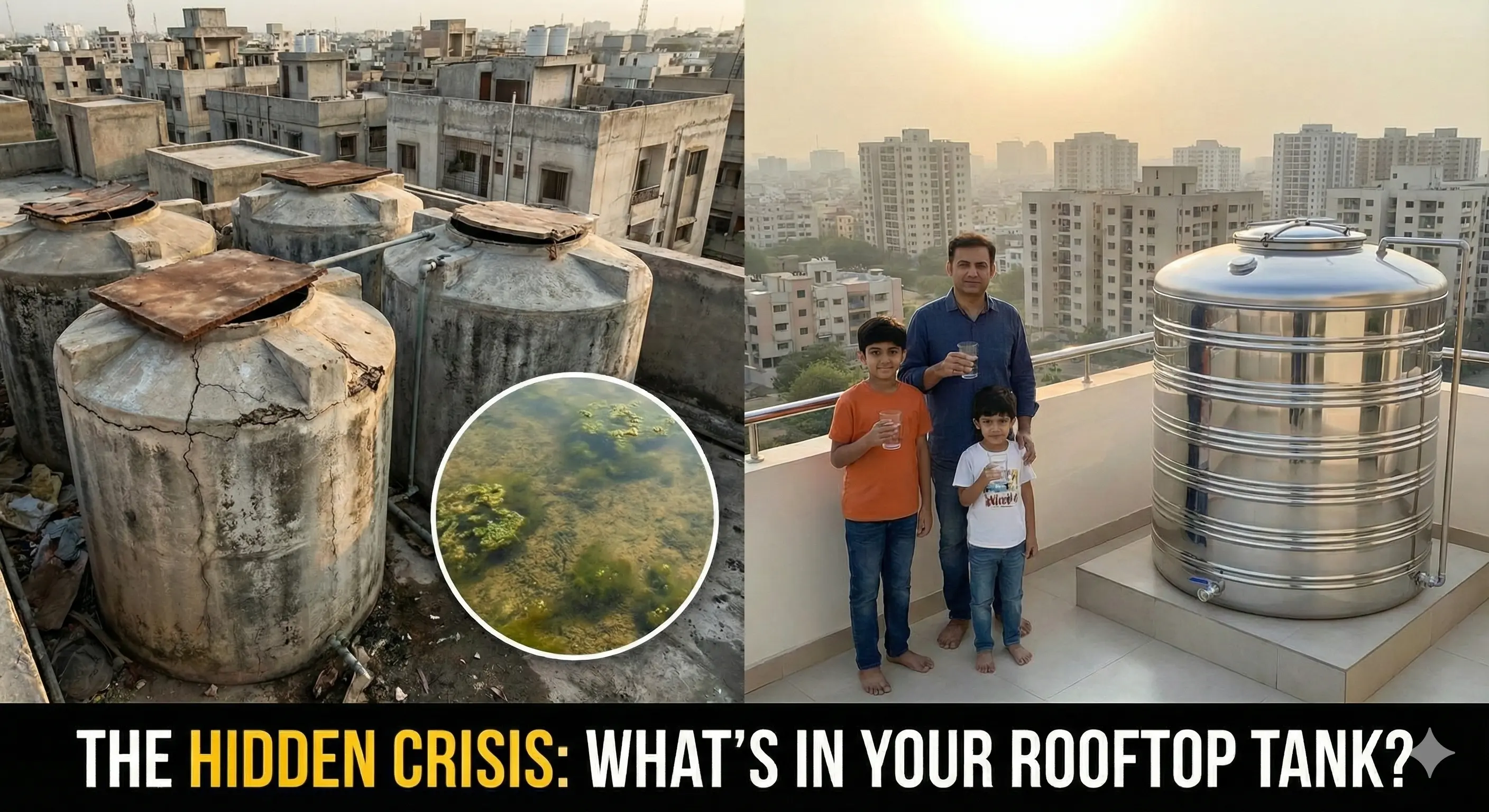
The Rooftop Water Tank Crisis: Bacterial Growth in Karachi Apartments
While you trust what flows from your tap, rooftop tanks harbor bacterial contamination that regulators ignore. Lab tests reveal 73% of Karachi apartment water supplies exceed safe limits—here's why maintenance gaps put families at risk.

PropTech Convention 2026: Hill Crest Residency Bahria Town Showcased by Silver Sponsor
612 companies, 22 countries, 30K+ visitors at Expo Center Karachi Jan 22-24. Why Narkin's Builders brings completed apartments to Pakistan's largest property-tech gathering.
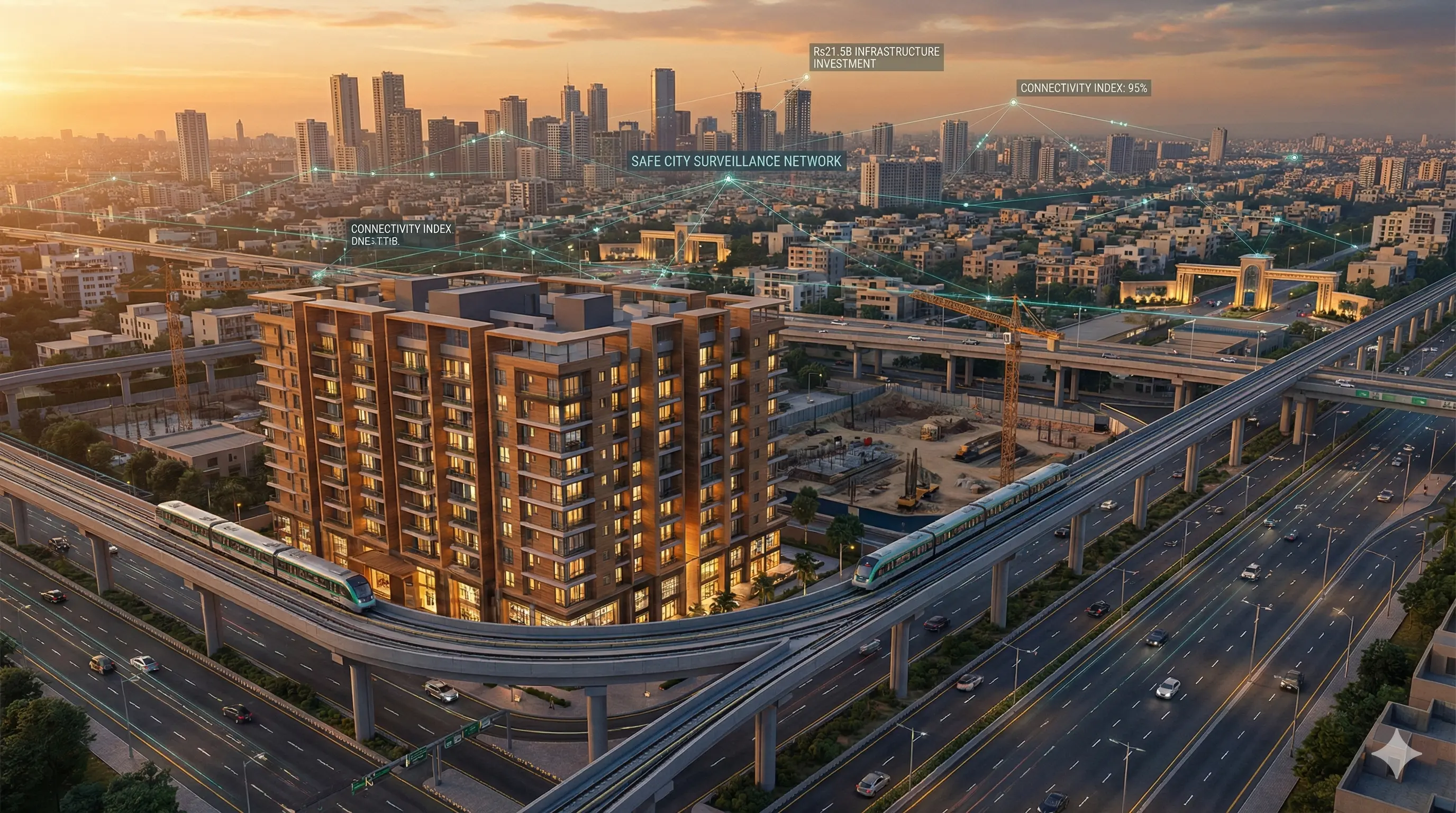
Apartments Near Me Bahria Town: How Rs21.5B Infrastructure Changes Everything
Rs21.5 billion infrastructure overhaul means 409 roads rebuilt, Green Line BRT opening Oct 2026. Apartments near completed projects appreciate faster. Here's which locations win.
Reviews
Share your experience about this article
No reviews yet
Be the first to review this article!
No reviews yet
Be the first to share your thoughts about this article.