The Rooftop Water Tank Crisis: Bacterial Growth in Karachi Apartments
While you trust what flows from your tap, rooftop tanks harbor bacterial contamination that regulators ignore. Lab tests reveal 73% of Karachi apartment water supplies exceed safe limits—here's why maintenance gaps put families at risk.
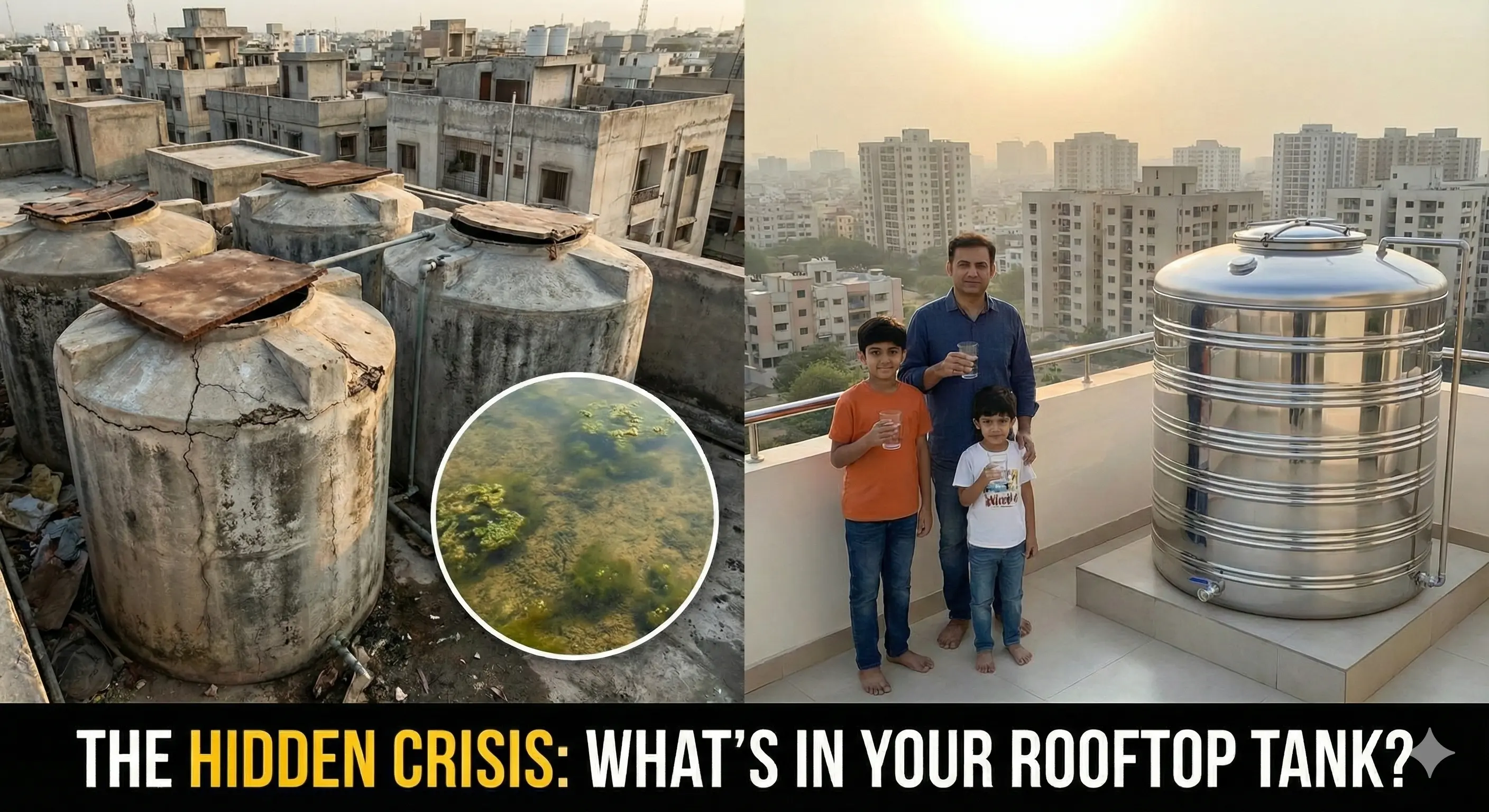
A 2024 study by the Pakistan Council of Research in Water Resources tested water samples from 200 apartment buildings across Karachi. Seventy-three percent exceeded World Health Organization limits for coliform bacteria. Forty-two percent contained E. coli—direct indicator of fecal contamination. These samples came from taps inside apartments, not street water mains. The contamination happened between the municipal supply line and your kitchen sink.
The culprit: rooftop water tanks that apartment buildings rely on but almost never maintain. Uncleaned tanks become breeding grounds for bacteria, algae, and parasites. Children drinking this water face chronic gastrointestinal infections, parents dismiss recurring illnesses as "just Pakistan," and nobody connects the dots to the storage tank five floors above collecting filth for years.
This is not a poverty issue. Luxury apartments in upscale developments face identical contamination when tank maintenance gets ignored. The problem is systemic, invisible, and entirely preventable—if builders and residents took water storage seriously.
Why Apartment Water Tanks Become Bacterial Breeding Grounds
Karachi's water supply operates intermittently. Municipal water arrives for 4-8 hours daily, forcing buildings to store thousands of gallons in rooftop tanks. These tanks accumulate sediment from the water supply itself—rust particles from aging pipes, dirt infiltration at connection points, and organic matter that settles at the tank bottom. Without regular cleaning, sediment layers create oxygen-depleted zones where anaerobic bacteria thrive.
Sunlight heats rooftop tanks, raising water temperature to 35-40°C during summer months—the optimal range for bacterial growth. Open-top tanks or those with poorly sealed lids allow mosquito larvae, bird droppings, and airborne contaminants direct entry. Even closed tanks develop biofilm layers on interior walls—slimy bacterial colonies that continuously shed into the water supply.
The Pakistan Standards and Quality Control Authority recommends tank cleaning every six months. Most apartment buildings manage once every 2-3 years, if ever. Budget developments skip tank cleaning entirely, considering it a resident responsibility. High-rise apartments complicate access—cleaning crews need scaffolding or specialized equipment that management companies refuse to pay for.
The result: families trust their apartment's water because it looks clear, tastes normal, and comes from taps inside their home. Meanwhile, their children consume bacterial loads that cause chronic diarrhea, typhoid exposure, and weakened immune systems. Health departments never trace these illnesses back to contaminated apartment water tanks because testing happens only after major outbreaks.
The Maintenance Gap Nobody Enforces
Building codes mandate water tank installation but provide no ongoing maintenance standards. The SBCA (Sindh Building Control Authority) inspects structural elements during construction approval but conducts zero follow-up inspections on water storage hygiene. Once a building receives its completion certificate, tank maintenance becomes a management committee decision—and management committees prioritize visible spending like lobby renovations over invisible necessities like tank cleaning.
Rental apartments present worse scenarios. Landlords pay for nothing beyond mandatory repairs; tank cleaning falls into a gray zone where neither landlord nor tenant accepts responsibility. The tenant cannot access rooftop tanks even if they wanted to inspect or clean them. The landlord sees no immediate financial incentive since contaminated water does not produce complaints until someone gets seriously ill—and even then, proving causation is nearly impossible.
Older apartment buildings suffer compounded risks. Tanks installed 15-20 years ago often contain materials that degrade over time—asbestos cement tanks shed harmful fibers into water, while cheaper plastic tanks crack and allow external contamination. Replacement requires major capital expenditure that aging buildings cannot afford or refuse to prioritize.
What Contaminated Water Actually Does to Your Family
Children under five bear the highest risk. Their developing immune systems cannot fight repeated bacterial exposure that adults tolerate with mild discomfort. Chronic diarrhea in Pakistani children is normalized as "weak stomach" when it often signals persistent waterborne pathogen exposure. Malnutrition follows because damaged intestinal linings cannot absorb nutrients properly.
E. coli contamination causes urinary tract infections, kidney infections, and in severe cases, hemolytic uremic syndrome—a life-threatening condition causing kidney failure. Cryptosporidium and Giardia parasites, common in poorly maintained tanks, produce weeks-long diarrheal illness resistant to standard treatments. Pregnant women exposed to contaminated water face higher risks of pregnancy complications and fetal development issues.
Beyond acute illness, low-level chronic exposure weakens immune systems over years. Families living in apartments with contaminated water supplies experience higher rates of respiratory infections, allergies, and inflammatory conditions—effects they never attribute to their water because symptoms appear unrelated to drinking.
The cruelty is that families pay significant money for apartments assuming they are escaping the health hazards of informal settlements, only to encounter different but equally dangerous risks hidden in infrastructure that looks modern but operates with no accountability.
Why Quality Developments Make This Difference
Premium apartment developments incorporate water management systems that budget construction ignores. Dual-tank systems with backup supplies, automated cleaning schedules with third-party verification, UV sterilization systems at tank outlets, and sealed tank designs that prevent contamination entry all cost money upfront but protect resident health long-term.
When established builders like Narkin's construct apartments, they install tanks with inspection hatches, self-draining designs that prevent sediment accumulation, and maintenance contracts that ensure quarterly professional cleaning. Hill Crest Residency's possession process included baseline water quality testing for every unit—an expense budget developers would never absorb.
This is why the best apartments in Bahria Town Karachi maintain value despite higher initial costs. Quality construction includes water infrastructure maintenance that protects families from invisible threats. When buyers evaluate 2 bedroom apartments in Bahria Town or 3 bedroom apartments in Bahria Town, they rarely ask about water tank maintenance protocols. They should.
Gated community apartments in Bahria Town benefit from centralized management with budgets for preventive maintenance. Compare that to older apartments where 20 different owners must collectively agree to spend money on tank cleaning they cannot see and whose benefit they cannot immediately measure.
What You Should Demand Before Buying
Ask for water tank cleaning records spanning the past two years. Request lab testing results showing coliform and E. coli levels. Verify whether the building employs professional cleaning services or relies on informal labor. Check tank materials—food-grade stainless steel or quality HDPE plastic, not cheap alternatives that degrade.
If buying a resale unit in an older building, demand independent water testing as a purchase condition. If sellers refuse or management cannot provide cleaning records, assume contamination and factor remediation costs into your offer price.
For new construction like ready apartments in Bahria Town Karachi from reputable builders, verify that maintenance contracts include water tank management. Apartments on installments in Bahria Town from established developers include these protections because they understand long-term liability. Budget developers skip them because they only care about initial sale.
Your family drinks this water every day for years. Contaminated supplies cause health damage that accumulates invisibly until major illness forces recognition. Choose apartments where water safety is engineered, not assumed.
Sources
- Pakistan Council of Research in Water Resources (PCRWR) - Karachi Water Quality Assessment Study, 2024
- World Health Organization (WHO) - Guidelines for Drinking Water Quality, 2022
- Pakistan Standards and Quality Control Authority (PSQCA) - Water Storage Tank Maintenance Standards
- Sindh Building Control Authority (SBCA) - Building Code Water Infrastructure Requirements
- Aga Khan University Hospital - Waterborne Disease Patterns in Urban Pakistan, 2024
- Dawn News - "73% of Karachi Apartments Fail Water Safety Tests" (March 2025)
- Business Recorder - "Water Tank Maintenance Gap in Pakistani Real Estate" (July 2025)
- Journal of Environmental Health Research - "Bacterial Contamination in Rooftop Water Storage Systems" (2024)
Related Articles
Continue reading about real estate investment and property development
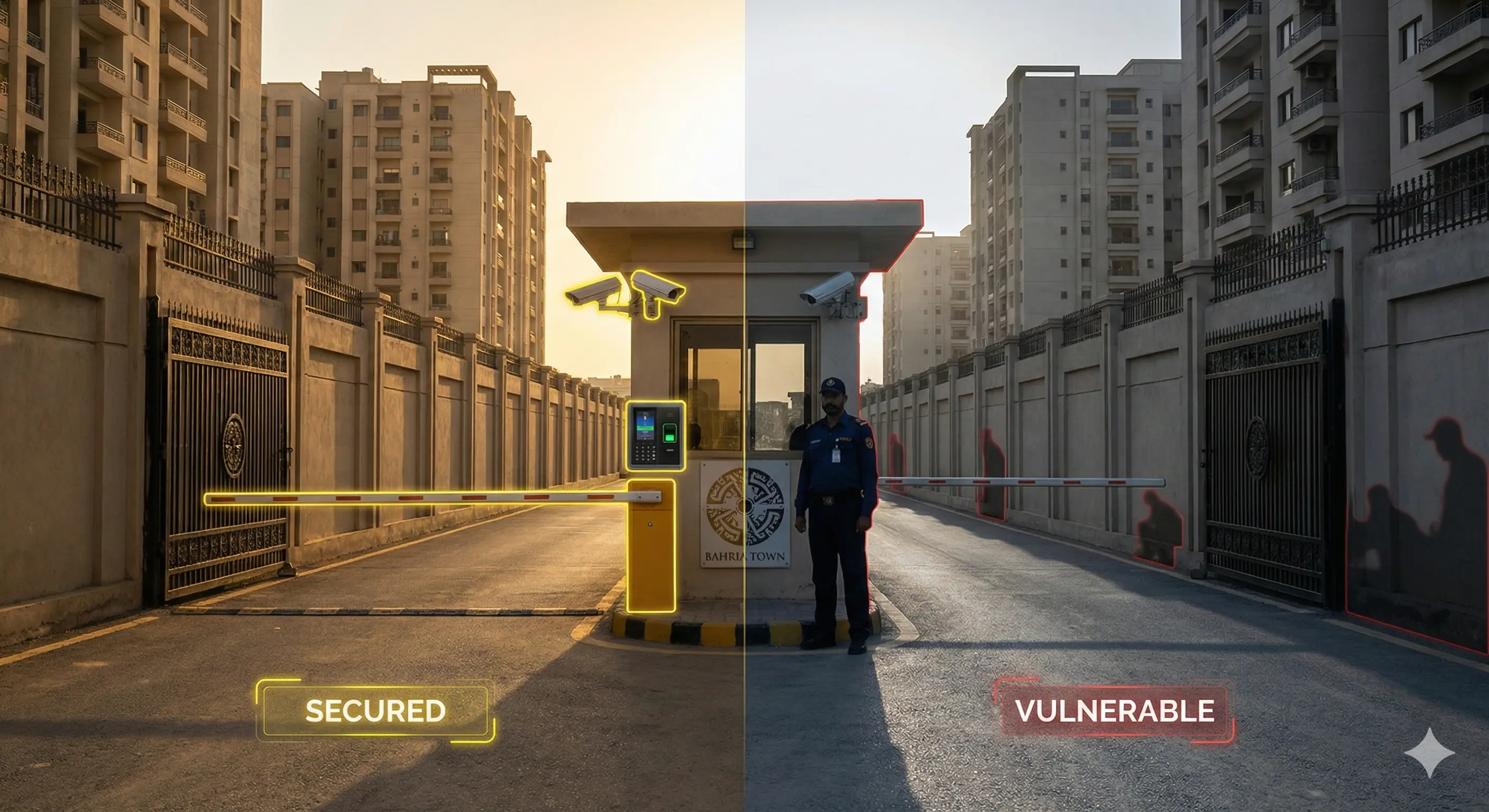
Luxury Apartments With Security Karachi: Security Theater vs Real Safety
Gated community apartments Bahria Town advertise world-class security, but research shows perception doesn't match reality. Here's what actually keeps families safe.

Luxury Apartments with Security Karachi: The Maintenance Cost Nobody Budget For
Bahria Town raised maintenance charges 18-50% starting January 2026. Total monthly costs on Rs3M apartments jumped from Rs4,200 to Rs6,800. Here's what buyers actually pay.
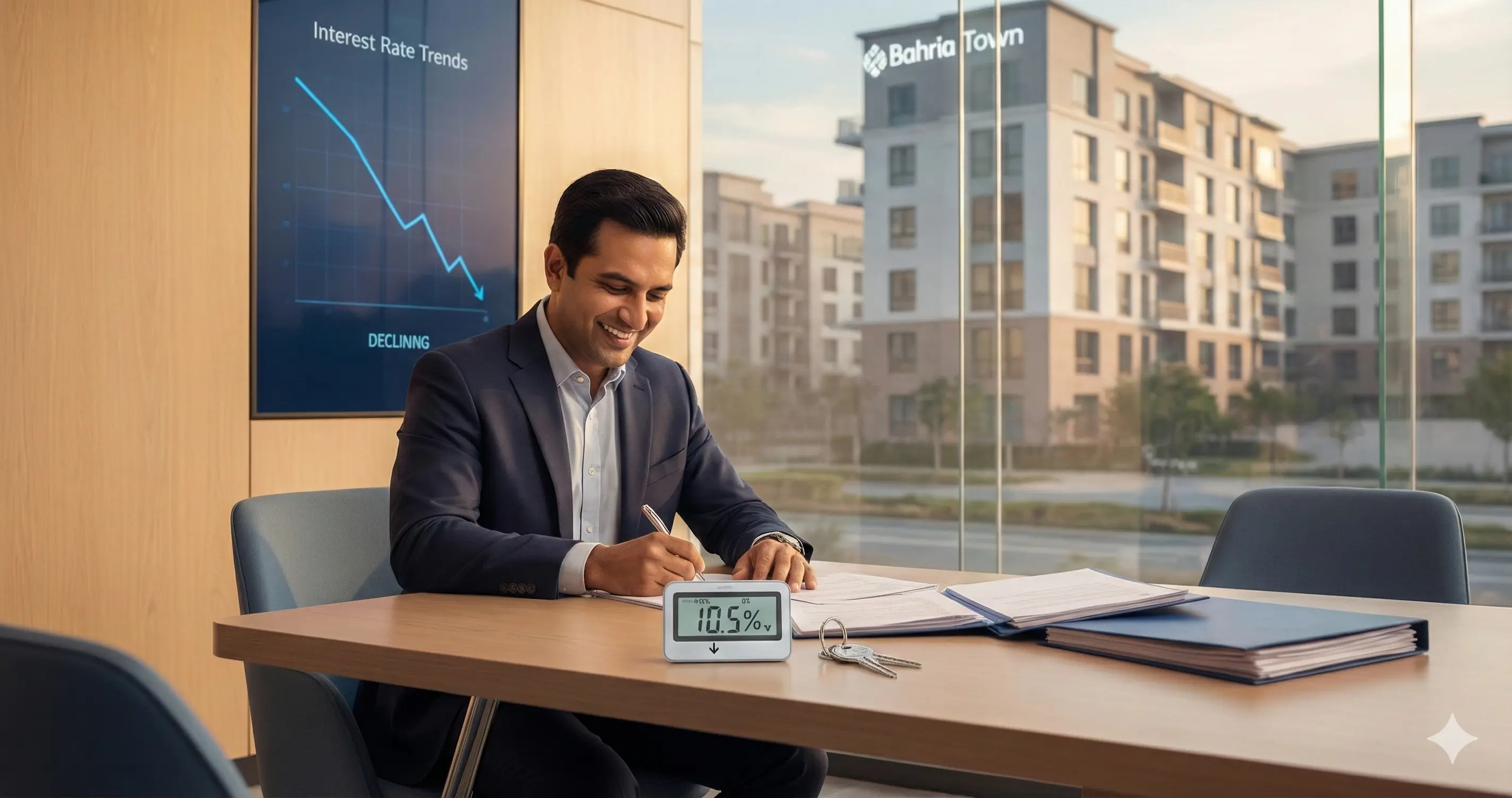
How Lower Rates Make Apartments Affordable: Easy Monthly Installments Apartments Karachi
SBP cut rates from 20% to 10.5%. Monthly payments on apartments dropped 35%. Here's why now is the actual affordability window for first-time buyers.
Reviews
Share your experience about this article
No reviews yet
Be the first to review this article!
No reviews yet
Be the first to share your thoughts about this article.